
Designers / Publisher / Year: Jason Glover / Grey Gnome Games / 2022
Player Count / Playtime: 2-4 Players / 30-45 mins
Genre / Type / Mechanics: Card Game, Hand Management, Area Influence, Tile Placement, Fantasy
This is the first game I’ve reviewed from Jason Glover and Grey Gnome Games, and honestly, it feels long overdue. Jason has become one of my favorite designers because his games consistently deliver something unique. His designs are thoughtful, creative, and deeply rooted in fantasy themes. The artwork across his catalog is fantastic, and every release feels like it was crafted with care and purpose. There is a level of professionalism to his work that immediately stands out. His games never feel rushed or generic; they have personality, identity, and a clear vision behind them.
Banners is no exception.
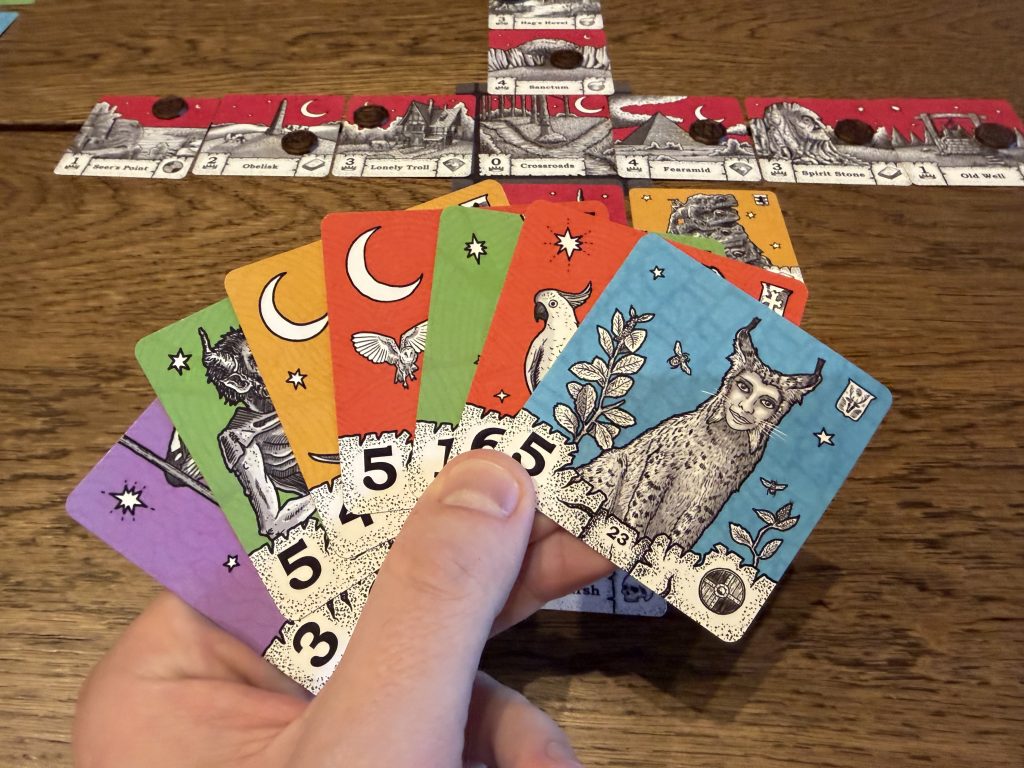
At its core, Banners is a tactical card game that blends hand management, area control, tile placement, and an incredibly clever scoring system. Players compete for influence across a fantasy landscape by placing faction cards onto locations throughout the game. There are five factions vying for power, each consisting of cards valued from one to six. As players place cards, they shape the balance of power across the board while positioning themselves for endgame scoring.
What initially appears to be a straightforward area-control game quickly reveals itself to be something far more interesting.
The heart of Banners is its secret alliance system. Throughout the game, players are secretly deciding which factions they support. At the end of the game, each player will have three cards remaining in their hand, and these cards reveal the factions they have allied with. Locations are then scored for each faction, and the player holding the highest-value alliance cards for a faction claims all of the victory points earned by that faction’s locations.

It is a brilliant mechanism because nobody truly knows what anyone else is working toward until the final reveal.
That uncertainty creates an incredible amount of tension. You are constantly trying to read your opponents while concealing your own intentions. Is someone aggressively supporting a faction because they are secretly allied with it, or are they simply manipulating the board to mislead everyone else? Are they fighting for a location because they need it, or because they want you to waste resources there? Every move feels layered with hidden information and second-guessing.
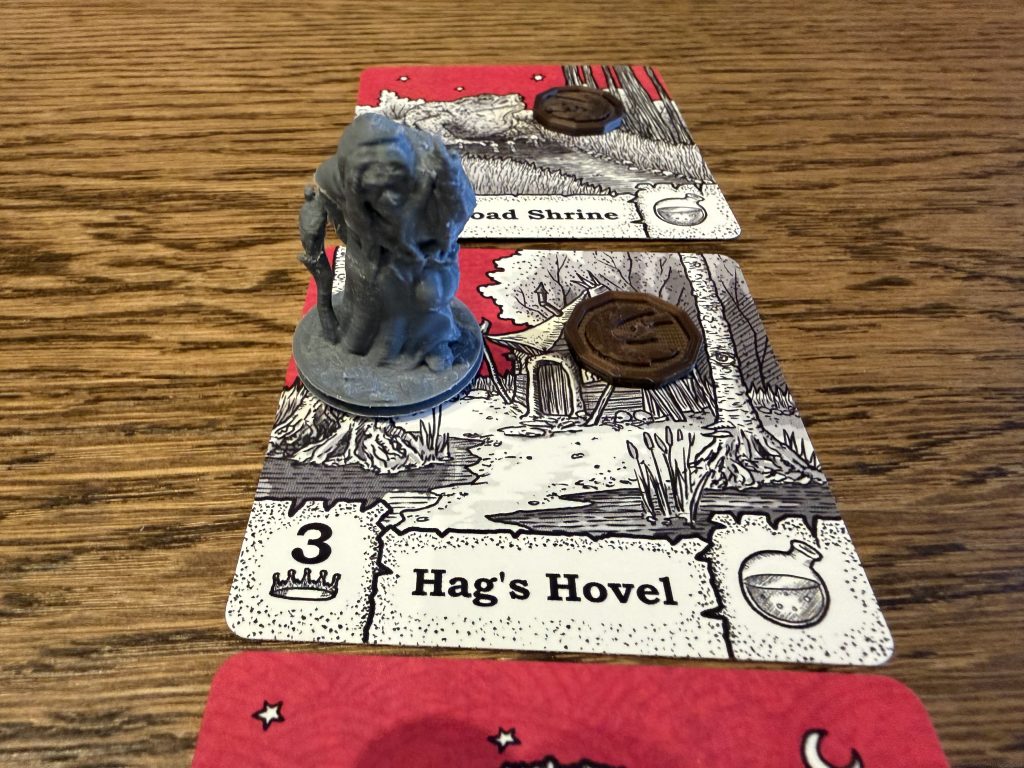
The game is also wonderfully dynamic. Players can collect bronze coins that provide additional victory points, creating another layer of tactical decision-making. Special cards add even more chaos and excitement. The Hag allows players to move cards that have already been played, potentially disrupting an opponent’s plans or strengthening their own position. The Troll can steal coins from locations and immediately grant an extra turn, creating opportunities for huge momentum swings. Because of these effects, no position on the board ever feels completely secure.
What impressed me most is how alive the game feels. I honestly cannot think of another game that plays quite like Banners. The board state is constantly evolving. Regions that seemed secure suddenly become contested. Positions that looked weak become valuable. Plans change from turn to turn as players react to new information and shifting opportunities. The game is always moving, always changing, and always presenting new puzzles to solve.
One of my favorite things about Banners is that it creates uncertainty in all the right ways. You are always trying to evaluate where points will come from, but the answer is rarely obvious. Every player feels like they have a chance, and the final outcome often remains unclear until the scoring is actually resolved. Many games reveal their winner well before the final turn. Banners keeps the tension alive until the very end.
The final alliance reveal is fantastic every time. Suddenly, everything makes sense. You discover why certain players fought over specific locations, why others ignored opportunities that seemed obvious, and how carefully everyone was hiding their true intentions. It is one of those rare endings that causes the entire table to replay the game in their minds while the scores are being counted.
I also appreciate how original the design feels. After playing a lot of modern card games, it becomes increasingly rare to encounter a mechanism that feels genuinely fresh. Banners managed to surprise me. The rules are approachable, but the interactions between hidden alliances, area control, card placement, and scoring create an experience unlike anything else in my collection.
At the end of the day, Banners is exactly the kind of design I have come to expect from Jason Glover: creative, elegant, beautifully presented, and full of meaningful decisions. It captures the feeling of rival fantasy factions competing for influence while delivering a gameplay experience that is fresh, engaging, and unpredictable. The scoring remains exciting until the final moments, the mechanics feel unlike anything else I have played, and the artwork ties everything together perfectly.
Verdict: If you’re looking for a fantasy card game that offers something genuinely different, Banners is easy to recommend. It is clever, tense, interactive, constantly evolving, and one of the most unique games I have played in quite some time. Another outstanding entry from a designer whose work continues to impress me.
Reviewed on 06/24/2026
Score Breakdown
| Category | Description | Score (1–10) |
|---|---|---|
| 1. Aesthetics & Components | Visual design, artwork, tactile quality, and overall presentation. | 8 |
| 2. Rules Clarity & Accessibility | Ease of learning, clarity of rulebook, setup time, and iconography. | 7 |
| 3. Strategic Depth | Amount of meaningful decision-making and long-term planning. | 9 |
| 4. Luck vs. Skill Balance | How fairly chance and skill coexist. | 7 |
| 5. Player Interaction | Engagement and social dynamics between players. | 6 |
| 6. Pacing & Downtime | Flow, engagement, and smoothness of play. | 6 |
| 7. Replayability | Longevity, variability, and continued appeal. | 8 |
| 8. Theme Integration | How well the mechanics and story fit the theme. | 7 |
| 9. Enjoyment & Emotional Impact | Pure fun factor—excitement, tension, satisfaction. | 8 |
| 10. Innovation & Uniqueness | Creativity, originality, and distinctiveness from other games. | 10 |
| Overall Mean Score | 7.6 / 10 | |