
Designers / Publisher / Year: Naotaka Shimamoto, Yoshiaki Tomioka / itten / 2018
Player Count / Playtime: 2-4 Players / 30 mins
Genre / Type / Mechanics: Dexterity, Transportation, Route Building, Stacking, Balancing, Tokyo
Expansions: Rainbow City
Kickstarter Edition: New Cityscapes (Rainbow, Yacht Harbor, Amusement Park, Asakusa, Tower, Airport, Stadium and Museum), Upgraded Materials, 10 Car Types
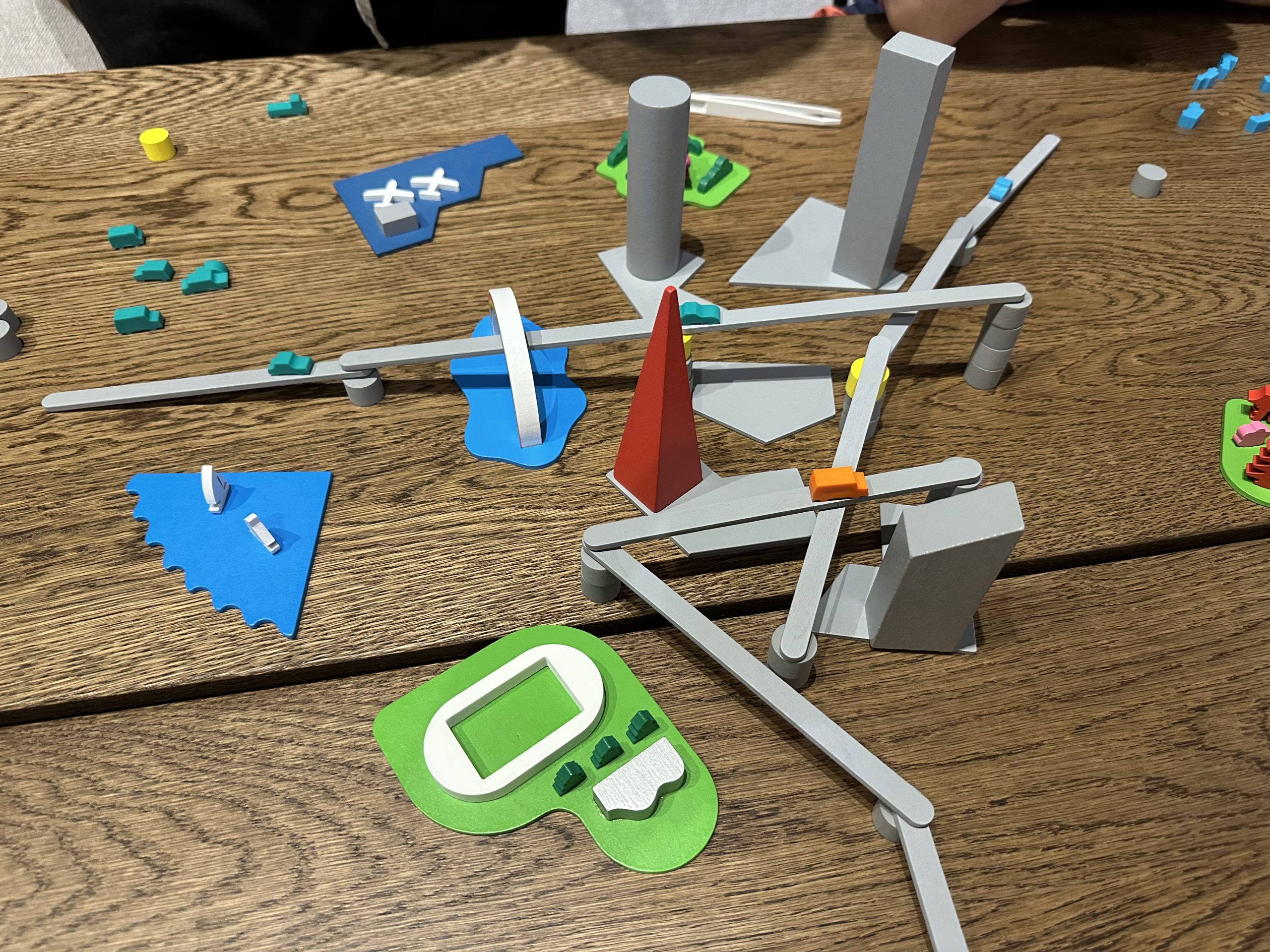
Tokyo Highway is one of the most visually striking dexterity games I’ve played, transforming the table into a tangled network of elevated highways supported by tiny columns and carefully balanced roadways. Players compete to build overlapping roads across the play area while placing and maneuvering miniature cars, trying to connect routes without causing the entire structure to collapse. The game blends dexterity, spatial planning, and steady hands into something that feels both tense and oddly elegant.
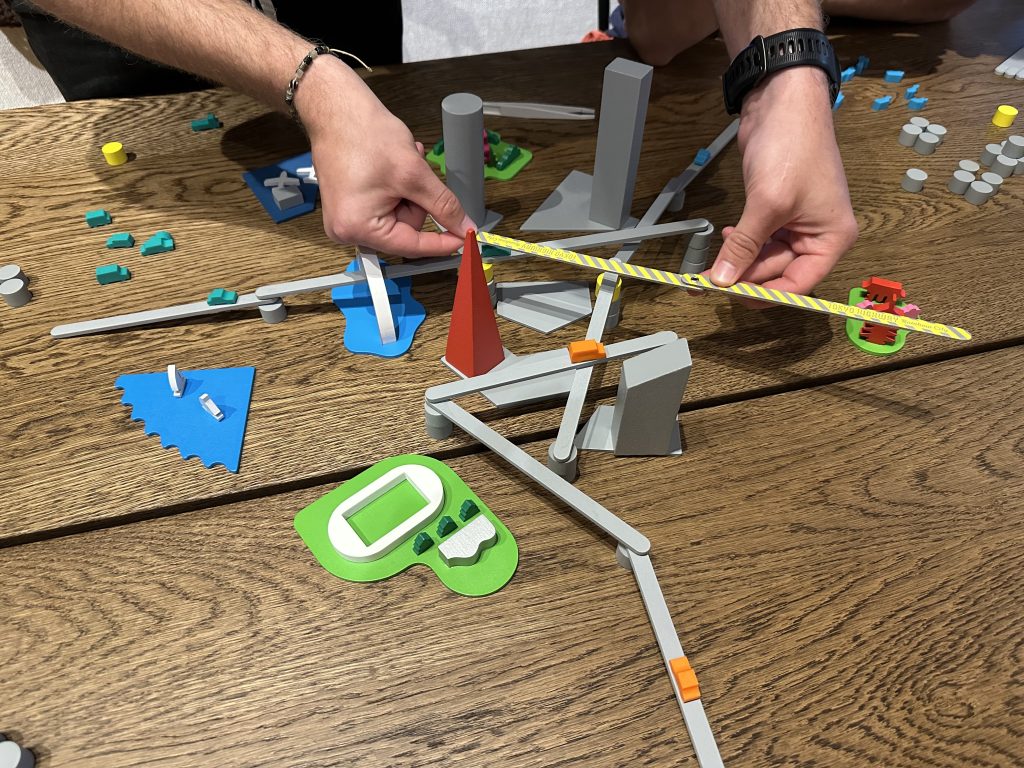
What immediately stands out about Tokyo Highway is the presentation. The components are fantastic, from the smooth wooden pieces to the minimalist aesthetic and soft color palette that gives the game a clean, modern look. As the highways rise and twist over one another, the table slowly starts resembling an abstract cityscape, and watching that structure grow is honestly part of the fun. Few dexterity games feel this visually satisfying once fully built.
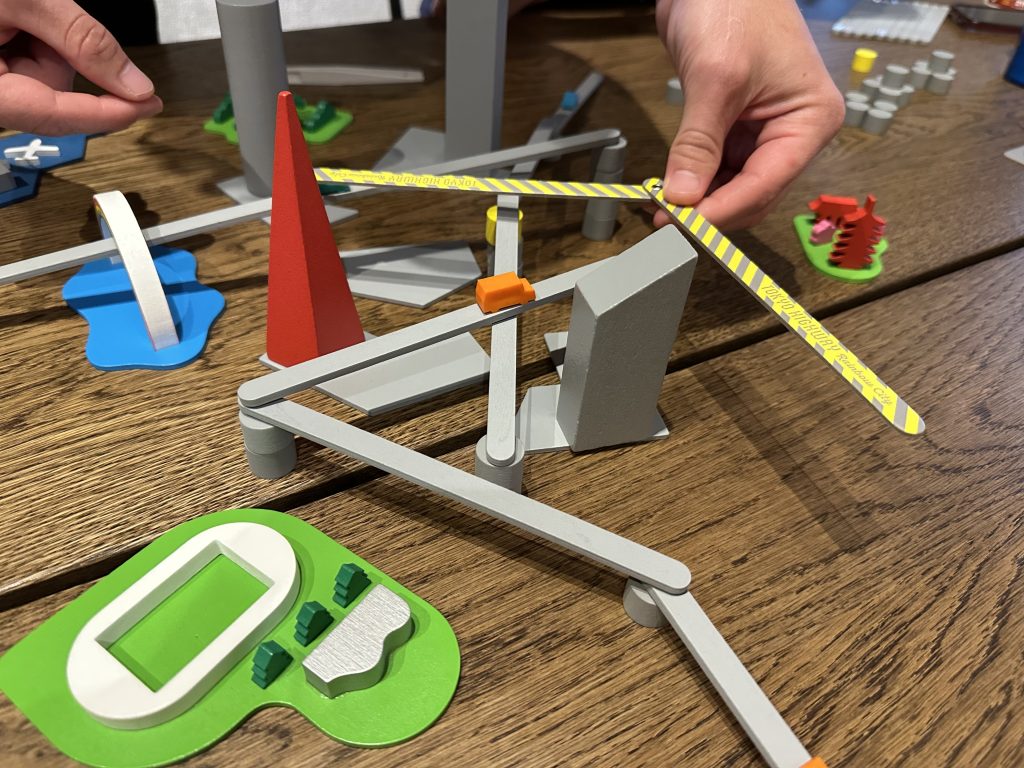
More importantly, the gameplay itself actually delivers. Unlike some balancing games that rely almost entirely on gimmicks or chaos, Tokyo Highway creates genuine tension with every placement. Deciding where to support roads, how to angle your pathways, and how aggressively to cross over opponents creates constant interaction and surprisingly meaningful decisions. Every turn feels delicate, and one small mistake can instantly shift the entire game.
I also think it stands out as one of the more enjoyable dexterity games in the hobby because it balances skill and spectacle so well. It is approachable enough for newer players to understand quickly, but still tense and engaging for experienced gamers. The physical act of carefully balancing the roads never stopped being entertaining for me, even after multiple plays.
Verdict: Tokyo Highway is one of the best dexterity and balancing games I’ve played. The beautiful components, minimalist aesthetic, and creative highway-building concept combine into an experience that feels both stressful and satisfying in the best possible way. It is interactive, memorable, and visually stunning on the table, making it a game I genuinely enjoy revisiting and one I would easily recommend to fans of dexterity games.
Reviewed on 05/26/2026
Score Breakdown
| Category | Description | Score (1–10) |
|---|---|---|
| 1. Aesthetics & Components | Visual design, artwork, tactile quality, and overall presentation. | 8 |
| 2. Rules Clarity & Accessibility | Ease of learning, clarity of rulebook, setup time, and iconography. | 8 |
| 3. Strategic Depth | Amount of meaningful decision-making and long-term planning. | 5.5 |
| 4. Luck vs. Skill Balance | How fairly chance and skill coexist. | 6.5 |
| 5. Player Interaction | Engagement and social dynamics between players. | 5.5 |
| 6. Pacing & Downtime | Flow, engagement, and smoothness of play. | 6.5 |
| 7. Replayability | Longevity, variability, and continued appeal. | 8 |
| 8. Theme Integration | How well the mechanics and story fit the theme. | 7 |
| 9. Enjoyment & Emotional Impact | Pure fun factor—excitement, tension, satisfaction. | 9 |
| 10. Innovation & Uniqueness | Creativity, originality, and distinctiveness from other games. | 7.5 |
| Overall Mean Score | 7.15 / 10 | |