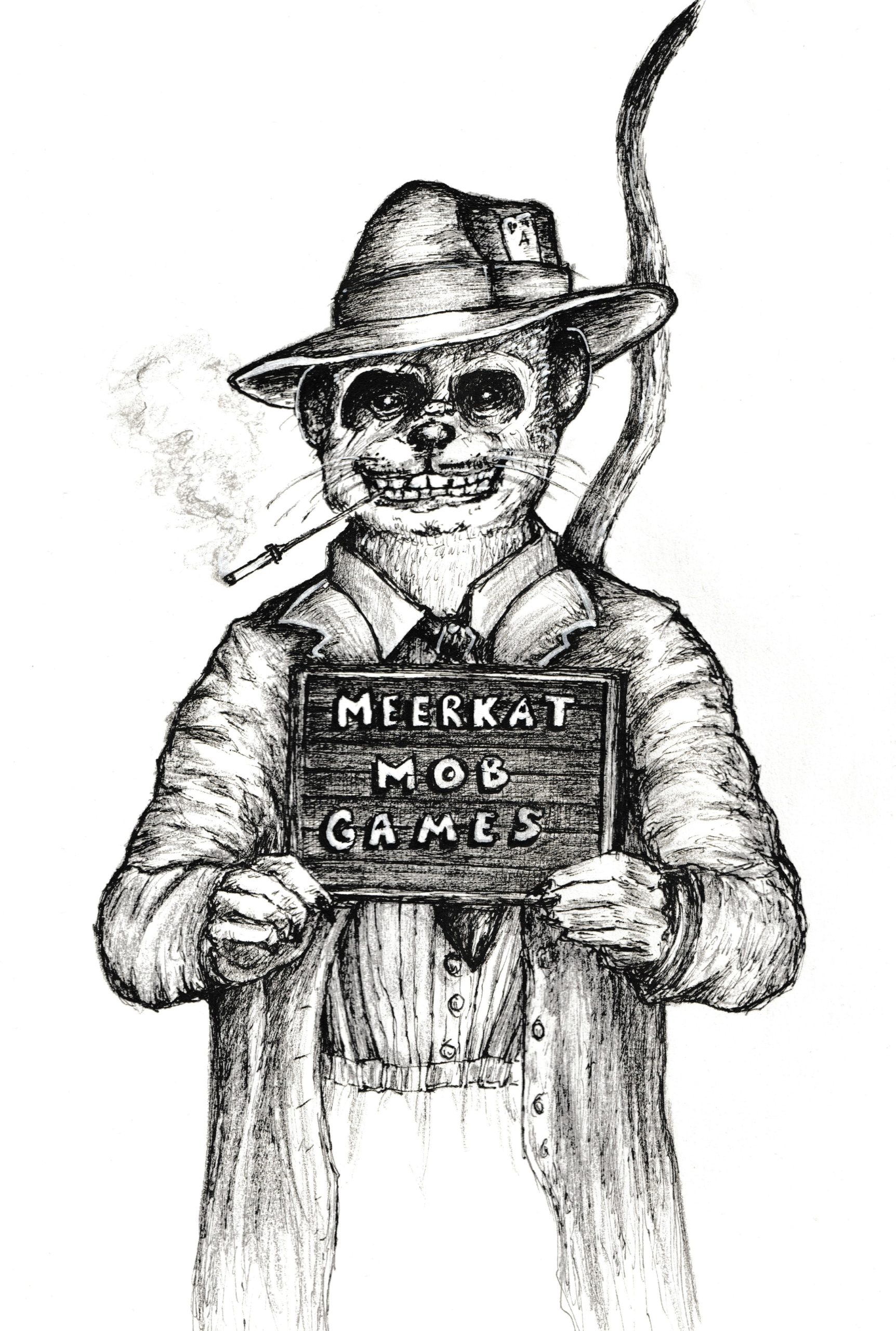
- Meerkats are small mammals in the mongoose family, best known for their upright posture and tight-knit social behavior
- They live in southern Africa, especially the Kalahari Desert and regions of Botswana, Namibia, and South Africa
- Their habitat includes deserts, savannas, and dry scrublands with sandy soil for digging, where they build large underground burrow systems with multiple entrances and chambers
- They live in highly social groups called mobs, which typically consist of ~20–30 meerkats
- Meerkats follow a matriarchal social structure. The dominant leader in a meerkat mob is known as the alpha female, and she is the only female allowed to breed, while other females assist in caring for her young
- One of the meerkats in the group always acts as a sentinel, standing upright in a high place to watch for predators. If a threat is detected, the sentinel gives an alarm call, alerting the mob to find cover
- Common predators include birds of prey, jackals, and snakes
- Meerkats have dark patches around their eyes, which act like built-in sunglasses
- Diet includes insects, scorpions, small reptiles, eggs, and some plant matter
- Meerkats are immune to certain venoms, including those from Kalahari desert scorpions , and certain venomous snakes, including some cobra species
- Meerkat groups can be territorial and may fight with rival mobs
- Lifespan is about 6–10 years in the wild and longer in captivity


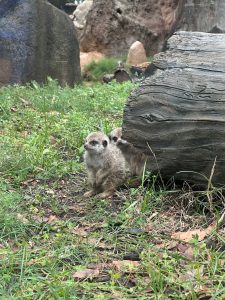
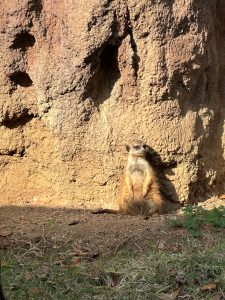

Meerkats of the Houston Zoo, captured through my lens